Equipment failures in industrial facilities can occur suddenly or develop progressively over time. For a 267-kilometer iron ore slurry pipeline spanning three Indian states, a pattern of recurring diaphragm stud failures began to emerge that required investigation. One stud broke. Then another. Then another.
Initial assessments suggested routine wear and tear. However, as maintenance logs accumulated, a clear pattern emerged.
The same studs kept failing at the same locations, accompanied by vibration, pressure drops, and unusual noise. These weren’t random breakdowns. Something was systematically wrong inside the pump systems that moved iron ore slurry from deep mines to processing plants.
When repeated failures follow a pattern, it’s a signal that the system requires deeper investigation to identify the underlying cause.
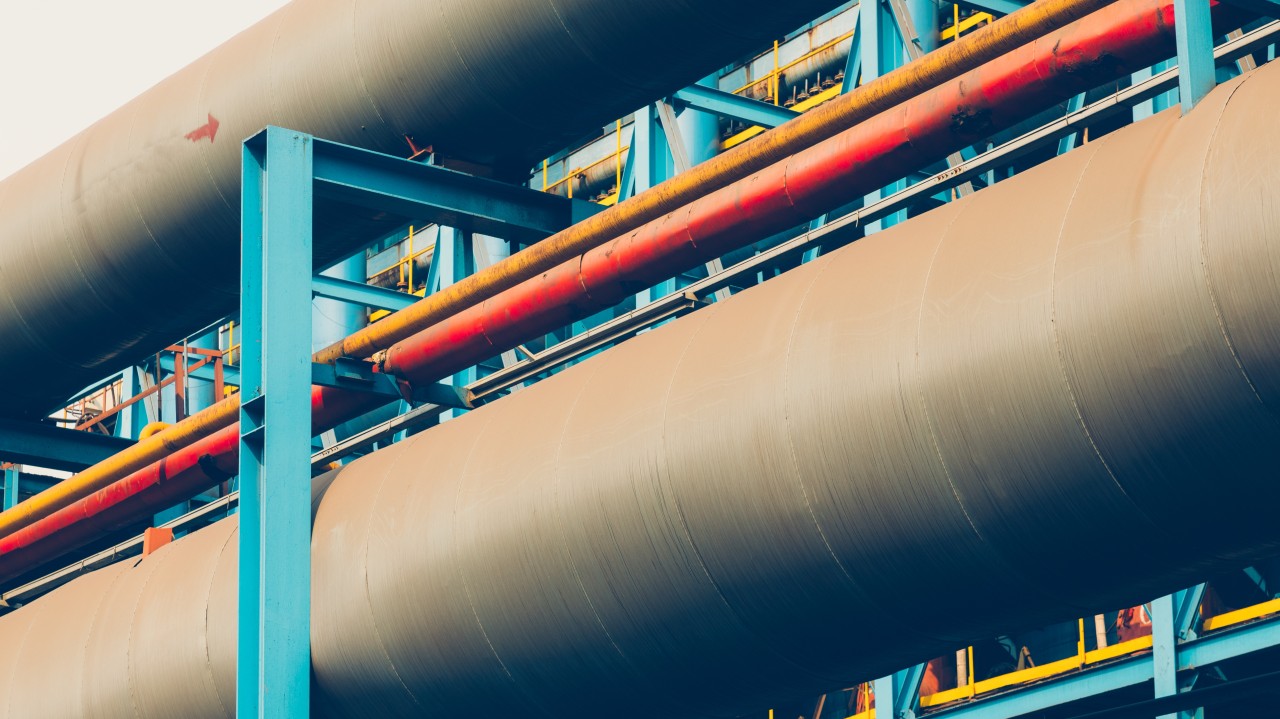
The pipeline system relied on four large pumps designed for continuous operation, moving iron ore mixed with water in a non-stop flow from mining operations to distant processing facilities. Most of the time, they performed as expected. However, recurring failures in specific components indicated a systemic issue rather than isolated incidents.
The failures were specific. Diaphragm studs in particular locations kept breaking under conditions that should have been well within their design limits. Traditional troubleshooting wasn’t revealing the root cause, which meant deeper investigation was needed.
Mechartes was brought in to conduct a comprehensive analysis using CFD simulations, pulsation analysis, and finite element analysis to understand what was happening inside the system that visual inspection couldn’t reveal.
Root cause analysis for complex systems requires looking at multiple physical phenomena simultaneously. For this slurry pipeline, we examined three critical aspects.
Using CFD, we modeled how the iron ore slurry was moving through the pipes. Slurry flow presents unique challenges compared to single-phase fluids. The solid particles interact with the liquid phase, creating complex flow patterns that can lead to uneven loading, settling, and turbulence in ways that clean fluid flow doesn’t experience.
The simulations revealed that the slurry wasn’t flowing as uniformly as the system design assumed. There were zones of turbulence and eddy formation that were adding wear to specific components.
Reciprocating pumps generate pressure pulsations by their nature. Each stroke creates pressure waves that propagate through the piping network. Using pulsation analysis software, we examined how these pressure waves were behaving in the system.
The analysis identified pressure pulses acting like mini-shockwaves reverberating through the pipes. These pulsations were creating vibration levels higher than the design anticipated, and they were concentrated in specific frequency ranges that aligned with structural resonances in the pump components.
Using finite element analysis (FEA), we examined how the pump components were responding to the loads they were experiencing. This analysis mapped stress distributions across the diaphragm studs and identified areas of high stress concentration.
The FEA results showed a clear fatigue pattern in the diaphragm studs, particularly in a specific zone between 270° and 360°. This was a stress hotspot that we mapped through simulation and then validated against field failure data.
Combining insights from CFD, pulsation analysis, and FEA revealed a complex picture of interacting failure mechanisms.

The pressure waves generated by pump operation were exceeding expected levels in certain operating conditions. These pulsations created cyclic loading on the diaphragm studs that, over time, led to fatigue failure.
The analysis showed peak pressure levels that indicated inadequate dampening in the system. The existing dampeners weren’t sized appropriately for the actual operating conditions.

The slurry flow patterns showed that solid particle mixing and concentration decreased as flow progressed through certain sections. This created uneven loading conditions that the original design hadn’t accounted for.
Turbulence and eddies in the flow were adding dynamic loads to the system that contributed to component wear beyond what static pressure analysis would predict.

The investigation also revealed that when studs were replaced during maintenance, alignment wasn’t always precise. Improper alignment created uneven pressure distribution across the stud pattern, which accelerated failure in the misaligned components and set up the next round of problems.

Root cause analysis is only valuable if it leads to practical solutions. Based on the findings, we provided specific recommendations to address each contributing factor.
We recommended optimizing dampener sizing and placement to control pressure waves more effectively. The analysis identified specific dampener capacities needed for the operating conditions and showed where in the piping network they would be most effective.
Changes to piping layout in critical sections could also help manage pulsation levels by avoiding acoustic resonances and providing better energy dissipation.
CFD insights led to recommendations for design modifications that would improve flow uniformity. These included changes to inlet configurations and internal geometries that would reduce turbulence and create more consistent flow patterns through the pumps.
We provided specific procedures for stud installation that would ensure proper alignment and even loading across the component. This included torque sequences, alignment verification steps, and inspection criteria.
The analysis also supported a shift toward predictive maintenance backed by monitoring data, rather than reactive replacement after failures occurred.
This project demonstrated something fundamental about complex industrial systems. They don’t fail randomly. Even when failures seem scattered, there’s usually an underlying pattern driven by physical mechanisms that can be understood.
At Mechartes, we approach these challenges by combining multiple analysis techniques to build a complete picture. CFD shows us what the flow is doing. Pulsation analysis reveals the dynamic pressure behavior. FEA maps where stresses concentrate. Together, these tools let us connect data with physical reality and move from fixing failures to understanding and preventing them.
When equipment shows consistent failure patterns despite repeated repairs, comprehensive multi-physics analysis can identify the root causes and provide solutions that address the underlying issues rather than just the symptoms.
If your system keeps showing the same symptoms despite repeated fixes, comprehensive root cause analysis can identify the underlying mechanisms driving those failures.
Contact us to discuss how combined CFD, pulsation, and structural analysis can solve persistent reliability issues in your critical systems.